Why the Future Never Goes Back?
You need to keep up with the pace
Why the Future Never Goes Back?
I have actually never driven a manual car in my life. I got my license around 10 years ago and took the test on an automatic transmission. The other day, I mentioned this to one of my friends in Germany, and he was like: “Come on, man, what if there are no automatic cars available? How would you be able to drive?”
I responded: “Have you ever ridden a horse?”
He said: “No, I haven’t.”
“What if all the cars disappear? What are you going to do then?”
That got me thinking: Was there ever a time when we innovated, made something substantially better, but then decided, “Okay, I would still rather use the old way”?
One technology came to mind: supersonic passenger aircraft.
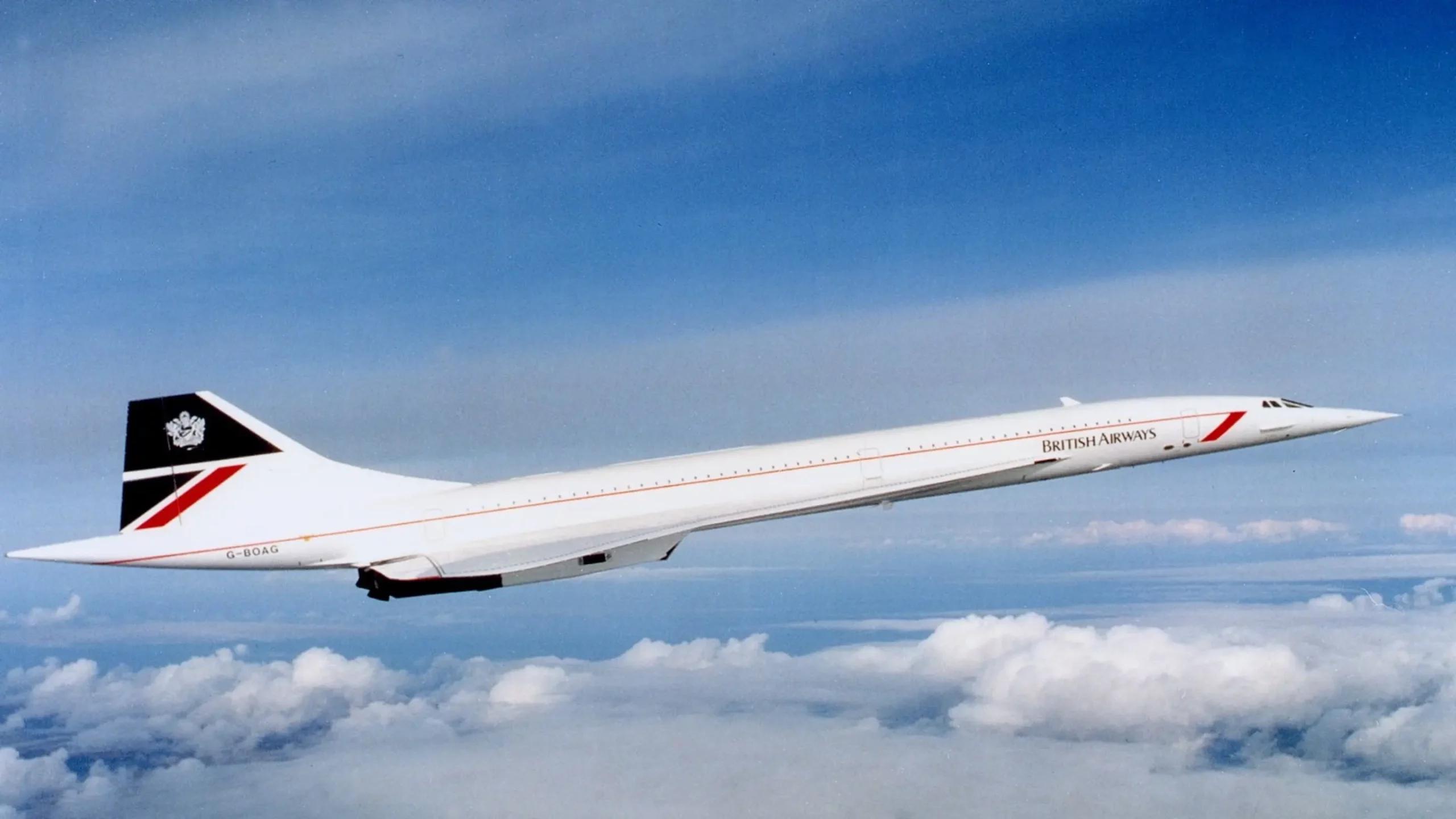
The Concorde had four turbojet engines attached to it. It was a complete masterpiece of aerodynamic engineering; in the air, it looked like an eagle. The Concorde had a cruising speed of around 2,150 km/h, compared to modern commercial airliners that fly at around 900 to 1,000 km/h at most. It could take you from London to New York in just 3.5 hours.
Yet in 2003, airlines retired the Concorde, and since then, commercial supersonic flight has never been revived.
The economics simply did not make sense, and the planes were extremely difficult and costly to maintain. Due to its narrow, streamlined body, the cabin was tight and could only host around 100 passengers per flight. At the same time, four afterburning jet engines consumed extreme amounts of fuel. Another major limitation was operational routing: the Concorde could not fly at supersonic speeds over land near populated areas. Once an aircraft crosses the sound barrier, it generates shock waves that produce sonic booms loud enough to damage structures and even break windows.
In the end, there was not enough mass demand. Most travelers were completely fine with double the flight time at a third of the ticket price. Only a small group of wealthy individuals could afford the service.
That does not mean humanity has abandoned the idea of ultra-fast travel forever. If Mr Musk keeps landing those reusable rockets, safety milestones are met, and orbital flights become cost-effective, point-to-point rocket travel might become a reality. If that happens, traveling from New York to Shanghai could take around 30 to 40 minutes.
The reason I bring up this story is that, outside of rare edge cases like the Concorde, humanity almost never permanently turns back the clock. The only way to survive in this world, physically and mentally, is to keep up with progress.
Even now, you should already start forgetting what work looked like before AI. We are never going back to those times. Use these tools, integrate them into your life, and adapt the way you work. If you don’t, someone else will, and catching up later will be much harder.