Why Betting on Fossil Energy is a Losing Game 🌍📉
Renewables are the only way forward
First, let’s look at the environmental effects and how fossil fuels negatively impact the Earth. Most people don’t actually know why too much CO2 is a bad thing.
Greenhouse gases are not inherently bad. In fact, they are a vital factor in our existence. We would literally freeze without them! We breathe in oxygen and breathe out CO2. That CO2 is then captured by plants, which give us oxygen back. The CO2 that isn’t captured by plants is absorbed by the ocean, and the rest goes into the atmosphere.
The atmosphere acts like a giant blanket for the Earth. When the sun’s rays hit the Earth’s surface and reflect back toward space, this atmospheric blanket traps some of that heat to keep our planet warm . However, when we pump excess greenhouse gases into the air, we are essentially making that blanket thicker. A thicker blanket traps too much heat, causing the planet to warm up even more. 🌡️🔥
The Geography of Energy: You Can’t Just “Drill Everywhere” 🛢️🚫
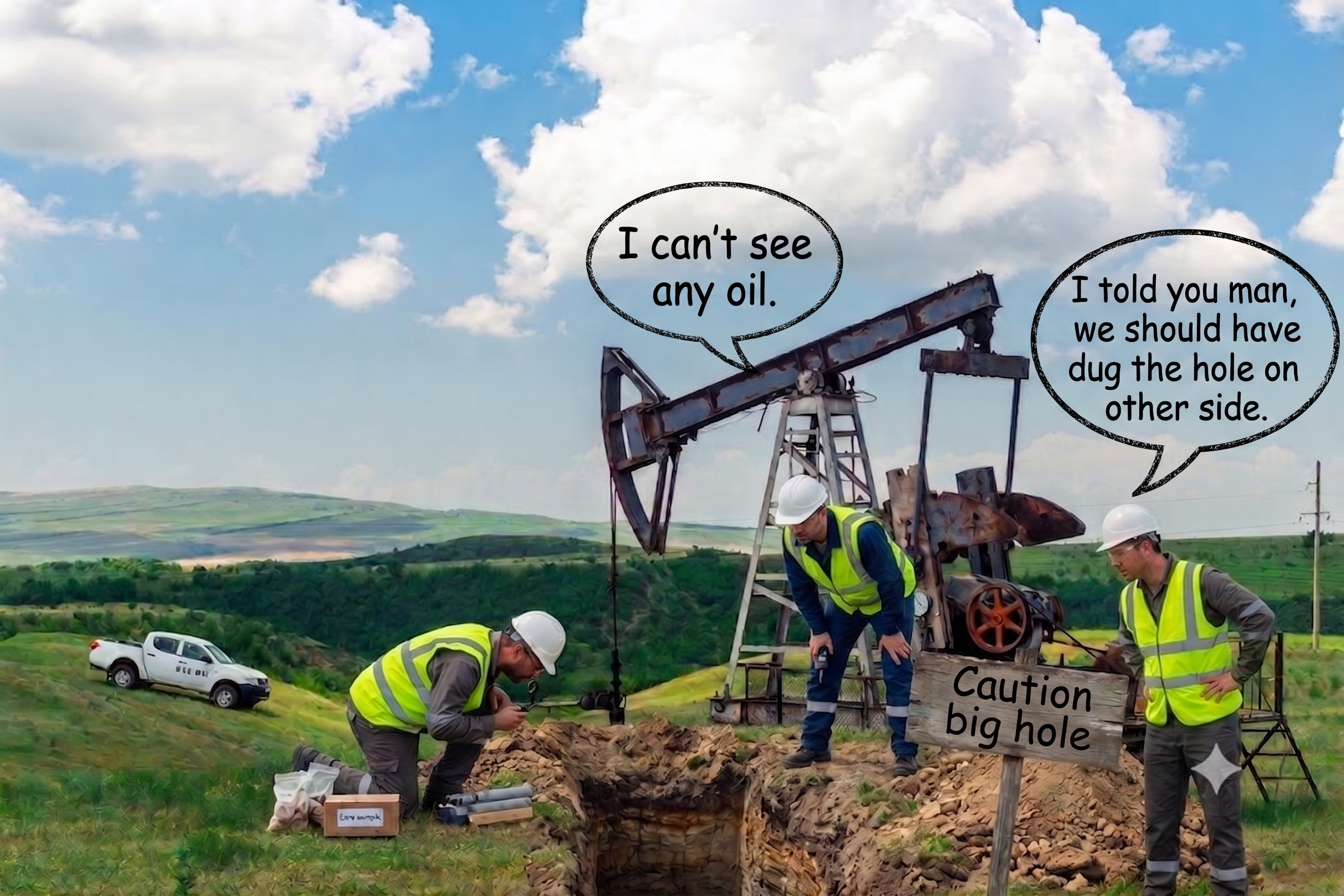
Second, we have to actually find fossil fuels because they aren’t just universally available like the sun or wind. Despite what some politicians might suggest with slogans like “Drill, baby, drill,” drilling everywhere does not guarantee you will find oil.
Take Morocco, for example. Surrounded by massive oil producing countries, they have searched for over a century but still haven’t found enough oil to meet their needs, remaining an oil importer. Even if you do find oil, there has to be enough of it to make building the surrounding infrastructure economically viable. Frankly, if you drill randomly everywhere, you aren’t even guaranteed to find water, let alone oil! 💧
For every country, regardless of size, energy independence will dictate its future competitiveness. If the AI revolution meets our expectations, production costs across the board will eventually drop to mirror energy costs. The countries with the cheapest energy will be the ultimate winners. The only way to guarantee this kind of universal, cheap energy for every country is through renewables. ⚡🏆
The Renewable Shift and the Balancing Act ☀️🌬️
So, what are renewables? Renewable energy technologies convert naturally replenishing resources, those that never run out, into usable energy like electricity or heat. The “Big Three” are solar, wind, and hydro. I will leave hydro aside for now, as not all countries have the favorable geography required to rely on it. Let’s focus on Solar and Wind.
Every country on Earth can build these technologies because the sun shines everywhere and the wind blows everywhere. But there is one major hurdle: supply and demand.
The most important rule of the energy grid is that energy supply must perfectly match energy demand at all times to prevent grid damage or blackouts. When you go home and turn on a light, the energy powering that bulb was produced in that exact moment. You can’t rely on solar and wind alone for this instantaneous demand because the sun doesn’t shine at night, and the wind doesn’t always blow. 🌑
The logical next step is energy storage. Batteries are a fantastic solution. On days with lots of sun or strong winds, you can produce overcapacity and charge your batteries for practically free. Then, you use that stored energy on cloudy, still days. 🔋
However, there is a catch. In Germany, there is a term called ‘Dunkelflaute’ (dark doldrums) ☁️. These are periods that can last for days or even weeks where there is virtually zero wind and solar production across a massive geographic area. To survive a Dunkelflaute on batteries alone, you would need to build an absurd amount of oversupply and storage, which makes zero business sense.
While we can definitely get smarter by using electric cars as mobile batteries, installing household storage, and using smart meters, our society still requires baseload electricity. Data centers, hospitals, and refrigerators run 24/7 and need a constant, unwavering energy supply. 🏥💻 To complement batteries, we need other baseload sources: enhanced geothermal plants, biomass, and hydro storage. The good news? Renewable tech is improving rapidly. Twenty years ago, given the low efficiency of turbines and the high cost of solar panels and batteries, we wouldn’t even be having this conversation!
Vision Over Immediate ROI: The AI Parallel 🚀💡
One last thing: we need to stop obsessing over immediate business cases when it comes to strategic, world changing assets.
No breakthrough technology in human history was invented because a day one spreadsheet proved it made perfect financial sense. Look at the current AI boom. No logical group of investors sat in a room and decided that making Google searches slightly faster justified trillions of dollars in investment. We aren’t even at “superintelligence” yet; right now, AI is mostly just a very good helper tool. 🤖
The reason investors are pouring crazy amounts of money into AI is the hope for massive future breakthroughs. They hope that reaching superintelligence will help us cure diseases, eliminate car crashes, finally predict the weather accurately, and cook the perfect risotto every single time! 🍲🌤️
We need to apply this exact same visionary mindset to energy. If we bet massive amounts of money on energy independence and build the infrastructure to guarantee a constant, clean supply of power, the payoff is huge. It is practically guaranteed that every industry, every household, and every single aspect of the global economy will benefit from it. That is a bet worth taking.