The Future and Past of Education
How should we change the education system
It is already time to reform the education system and decrease the schooling years significantly. Nationwide exams should also be established so people can earn certain degrees without attending a university. Self-study should be rewarded.
Actually, most people here would be amazed to read this given my education, but I never wanted to go to university. My original plan was to just finish school and, directly after, try to start working. But my parents really wanted me to go to university. Plus, in my situation, the paperwork to stay in a foreign country was much easier if I went through official schooling in that country. So, in the end, I had to go to university.
I was never a big believer in formal education. I feel like I have already forgotten 95% of the things I learnt during my bachelor’s. For my master’s, it is probably 50%. Give me another three years, and it will probably increase to 95%. If I need to recall something or understand a concept, I can often do it in minutes with the help of AI.
There is absolutely no need to hold kids hostage in education until they are 24 and then tell them, “Oh, sorry, you get this diploma. Now getting a job is your responsibility.”
Then many of them are lost without any industry knowledge. They can’t really apply that theory in a job environment, and when entry-level opportunities are limited, they are basically set up for failure.
I think a good approach would be nationwide exams for certain degrees, especially with the access to information we have today. I think many kids would finish their studies much earlier if learning were self-paced. Then they could spend the rest of those years getting industry knowledge and different experiences.
Or the opposite: maybe it takes them longer to finish the degree because they have a good opportunity in the meantime.
I do see the benefits of a traditional university. You get this social aspect, but I think we can also create that today through other methods, including online.
There are negative effects when it comes to formal education as well. Kids don’t always get tailored learning. For example, I hated exams with tight time limits. My brain would literally only start to open up and connect the dots 30 minutes into an exam, so I usually struggled to finish if we did not have sufficient time.
I would get a lower grade, not because I did not know the material, but because my brain worked differently. I was that annoying kid who went to every class and raised his hand for every question. I never lacked the knowledge, but in some cases, it did not show in my grade.
A second problem is regular alcohol and drug consumption at universities. I have watched this happen countless times, whether I was studying in the US or Germany. You meet very bright kids in the first few days and have this feeling: “Oh, they are special. They have a bright future.”
Then years go by, and you see some of them struggle with alcohol or drugs.
I am not saying these people would not have done the same outside of university. But when you have this culture that you have to party and that it is part of the university experience, some people struggle to resist the peer pressure.
There are also high rates of depressive symptoms among university students. That does not mean university itself causes depression, but I think the system can feel almost like a prison for some people. We can definitely do more to change that when so much information is at our fingertips.
If universities offered regular nationwide exams with reasonable time limits, students would be able to pace themselves however they wanted. As an employer, you would have a common standard for the knowledge being tested because everybody would be taking exams of the same difficulty.
Kids would not be trapped inside halls and dorms. This could also help level the playing field between rich and poor kids.
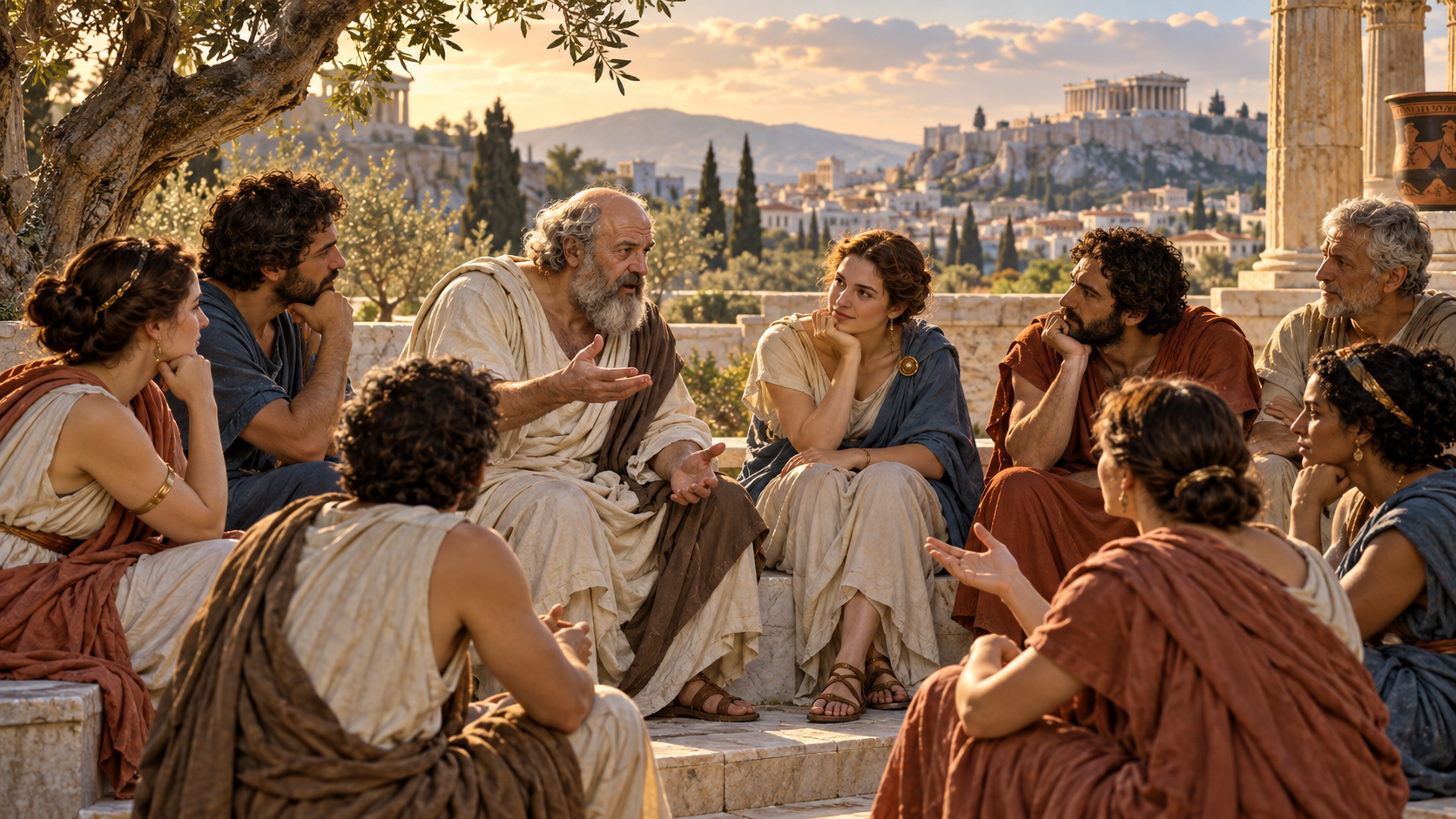
I still like the idea of professors and classroom-style teaching, so universities should hold open seminars where professors discuss very important and interesting topics with students.
Something like Socratic-style discussions: you go in because the topic interests you, not because you need a grade. You ask questions, argue, debate, and leave without homework or a take-home quiz.
The social part could also be supported through various sports events organised by states, clubs kids can join, and hangout spaces where they can enjoy conversations.
Kids could travel more easily because they would not be tied to a university. They could try learning new subjects without the pressure of choosing a degree and getting stuck with it.
You could take the exams required for a finance qualification, but if you suddenly fall in love with mathematics, you could just continue down the maths route without having to redo whole years.
I am 27, and to this day, I am interested in so many things. How can we expect an 18-year-old kid to know exactly what they want to study?
There is also a very bad trend I see where people treat getting a university degree as the end of their education. You still have decades ahead of you. How can you stop learning at 24?
If education were an ongoing journey, I think people would be more motivated to pick up new subjects at later stages. Maybe you are 50 and fall in love with physics because you have developed more patience in life.
One last thing this could help avoid is people getting stuck with their education. Look at what is currently happening to software developers. All of my friends who spent years writing code and put an extraordinary amount of effort into that craft are worried about their future due to AI.
If you have that lifelong learning path, you could more easily develop new skills and pivot to a different profession.